
 Skip to content
For many architects and interior designers, the term stretch ceiling has historically been associated almost exclusively with Barrisol due to its early international market presence. Over time, this strong brand recognition created a widespread assumption that stretch ceiling technology represents a proprietary branded product rather than a broader architectural system supported by global material manufacturers and multiple certified installation systems.
Today, the stretch ceiling industry has evolved into a mature global ecosystem offering architects a wider range of certified systems capable of delivering equal or even higher performance depending on engineering design, acoustic assemblies, lighting integration capability, and installation expertise. Understanding this ecosystem allows architects to specify ceiling systems based on performance rather than brand familiarity.
In the Canadian market, multiple certified stretch ceiling system providers operate using architectural-grade PVC membrane materials manufactured by global industrial suppliers. When paired with advanced acoustic assemblies, lighting-integrated engineering, antibacterial surface technologies, and specialized installation systems, these providers can offer ceiling solutions capable of matching or exceeding traditional brand-specified systems depending on project requirements.
This broader system availability allows architects to select ceiling solutions based on performance capability, engineering expertise, installation quality, and long-term operational efficiency.
Modern architecture increasingly prioritizes integrated performance systems that combine acoustics, lighting, hygiene compliance, and structural efficiency. As awareness of the global stretch ceiling manufacturing ecosystem expands, architects and interior designers are moving toward specification practices focused on verified material performance, system engineering capability, and installation expertise.
Recognizing that multiple certified stretch ceiling systems exist — often utilizing comparable architectural membrane materials — enables design teams to make more informed specification decisions, improve project cost-performance alignment, and unlock greater architectural design flexibility across healthcare, commercial, hospitality, and residential developments.
Stretch ceiling technology is no longer defined by a single brand identity but by a global network of industrial material manufacturers, engineered installation systems, and specialized project expertise. Architects who understand this ecosystem gain the ability to evaluate ceiling solutions more accurately, ensuring that specification decisions are guided by performance, engineering capability, and long-term value rather than historical brand familiarity alone.
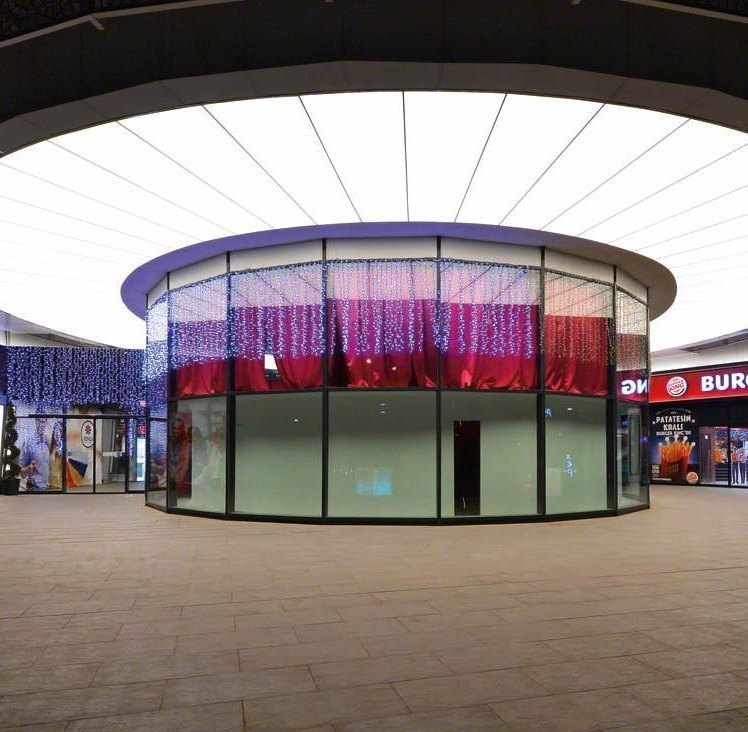
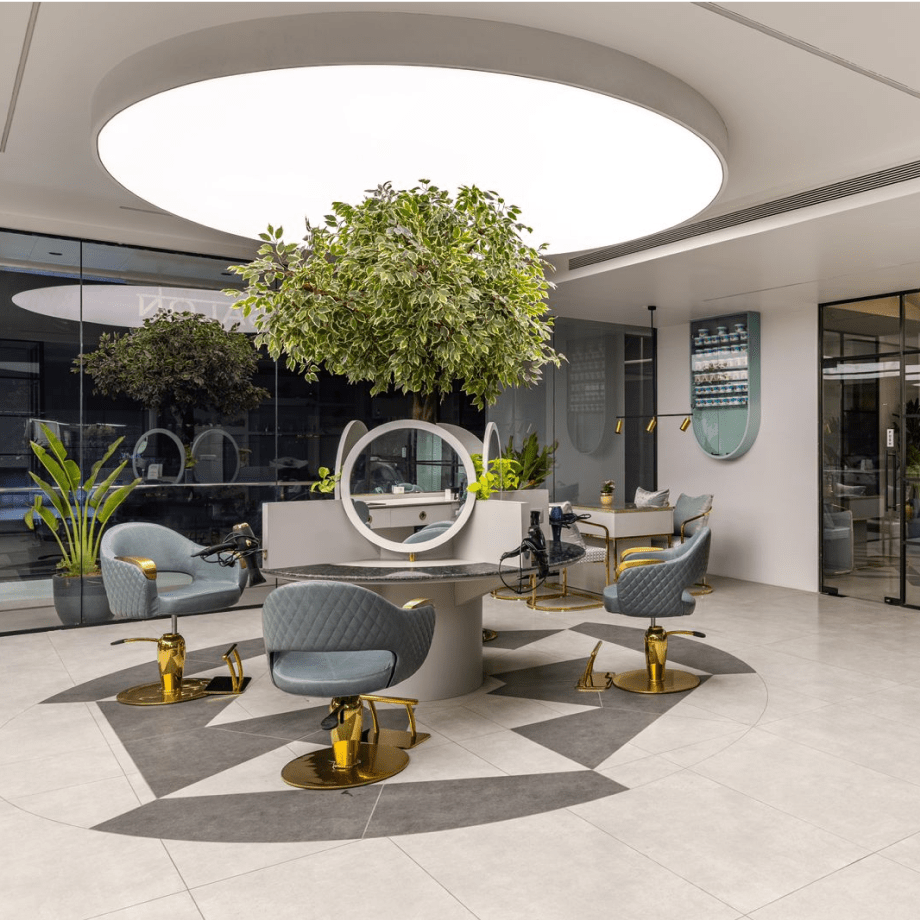
Stretch ceilings are not manufactured as complete systems by a single brand entity. Instead, the industry operates through a specialized manufacturing supply chain where industrial producers manufacture architectural-grade PVC membrane materials that are then used by multiple certified ceiling system providers worldwide.
One of the major global manufacturers of architectural stretch membrane films is Renolit, whose materials are used internationally in lighting-integrated ceilings, acoustic ceiling assemblies, printed ceilings, and hygienic healthcare applications. Individual ceiling system providers then develop proprietary installation profiles, mounting technologies, acoustic systems, and lighting integration solutions that define the final installed ceiling system.
Because multiple certified providers utilize comparable industrial membrane materials, system performance differences are typically determined by engineering quality, installation methods, acoustic design, and lighting system integration rather than by membrane material exclusivity alone.
Certificates – UL ULC
In large commercial, healthcare, and cultural developments, ceiling systems are sometimes specified based primarily on brand familiarity built over decades of architectural use. While established brands remain valuable contributors to industry development, relying exclusively on brand recognition can unintentionally limit supplier evaluation and reduce opportunities for performance optimization.
When specification decisions are based primarily on brand perception rather than system comparison, projects may:
overlook alternative certified systems using equivalent membrane materials
reduce competitive supplier participation
miss improved acoustic or lighting integration capabilities
increase project costs without measurable performance improvement
Performance-based specification enables architects to evaluate ceiling systems using measurable technical criteria aligned with project objectives.
When specifying PVC stretch ceiling systems, architects are encouraged to evaluate:
membrane manufacturer documentation
fire certification and compliance reports
environmental and durability standards
acoustic backing system design
verified sound absorption ratings
integration with building acoustic strategies
serviceable lighting modules
compatibility with architectural lighting design
service accessibility for lighting and utilities
long-term maintenance requirements
system adaptability for future upgrades
Architects evaluating performance-based ceiling systems can explore commercial stretch ceiling solutions designed for healthcare, hospitality, and large-scale architectural projects.