Skip to content

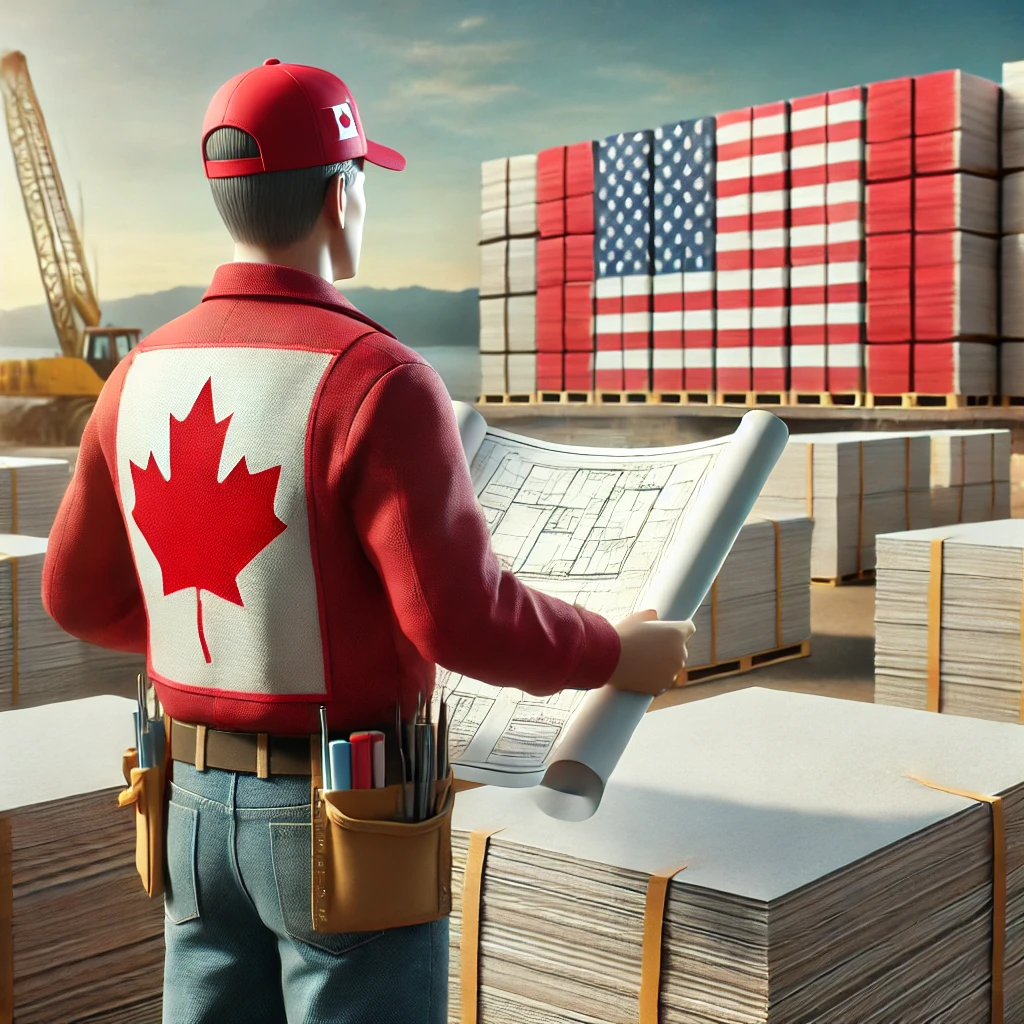
In 2025–2026, proposed U.S. trade tariffs and ongoing supply chain pressure are putting renewed strain on drywall pricing across Canada. Because a large portion of drywall is imported from the United States, even a 25% tariff could significantly impact construction costs, timelines, and material availability for Canadian builders, renovators, and developers.
What This Means for Canadian Construction
• Drywall pricing volatility is increasing
• Budget predictability is becoming more difficult
• Projects may face mid-build cost adjustments
• Supply chain delays could affect timelines
• Builders relying on one material face higher risk
What’s at Stake for Drywall Costs?
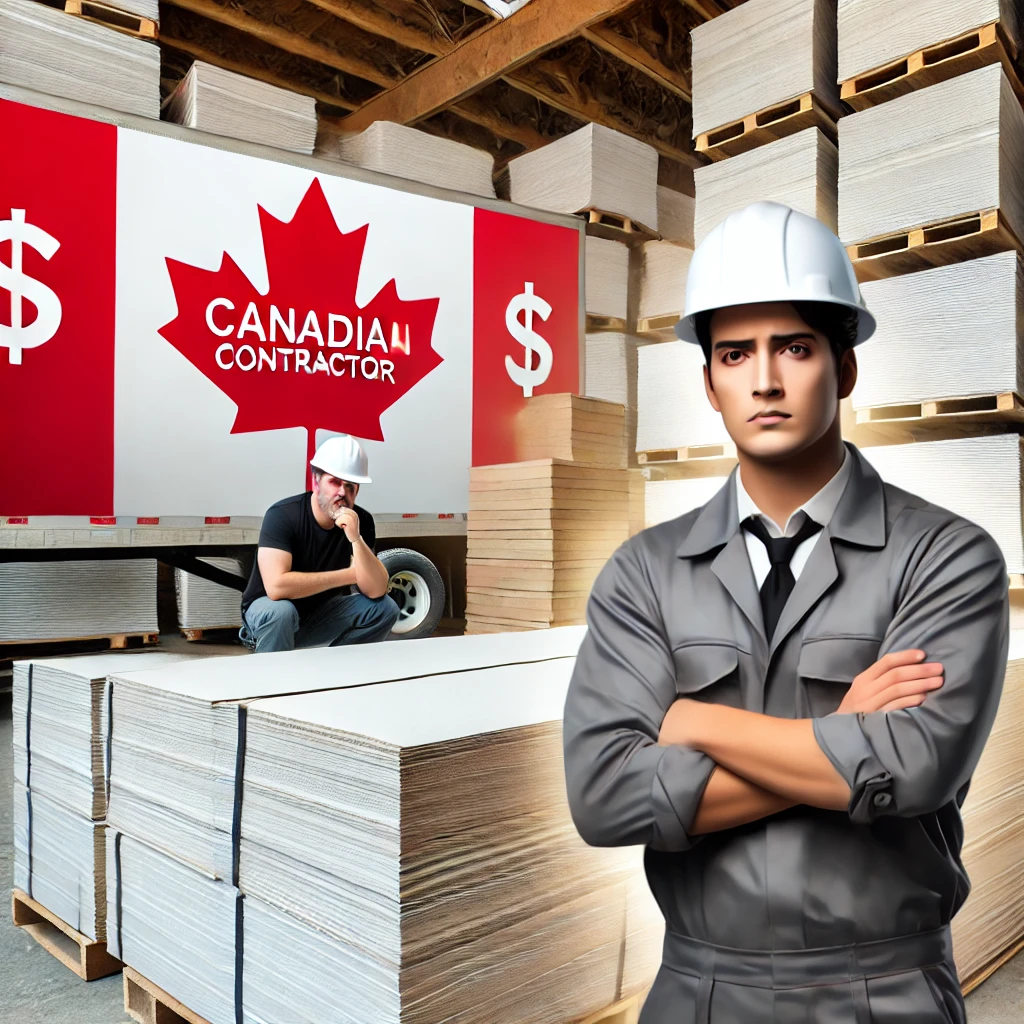
If the proposed 25% tariff goes through, drywall—much of which is imported from the U.S.—will become significantly more expensive. Here’s what that could mean for the industry:
- Higher Project Costs: Contractors may have to raise their prices to account for the increased cost of drywall, making renovations and new builds pricier for clients.
- Budget Overruns: With such sudden changes, businesses might find themselves scrambling to adjust budgets mid-project, leading to delays.
- Supply Chain Challenges: Relying so heavily on U.S. drywall imports could leave Canadian builders vulnerable to more than just price increases—think availability issues and longer lead times.
We’ve seen this play out before. Remember the U.S. steel and aluminum tariffs back in 2018? Prices soared, supply chains became chaotic, and project planning turned into a nightmare.
Why Stretch Ceilings Could Be a Game-Changer
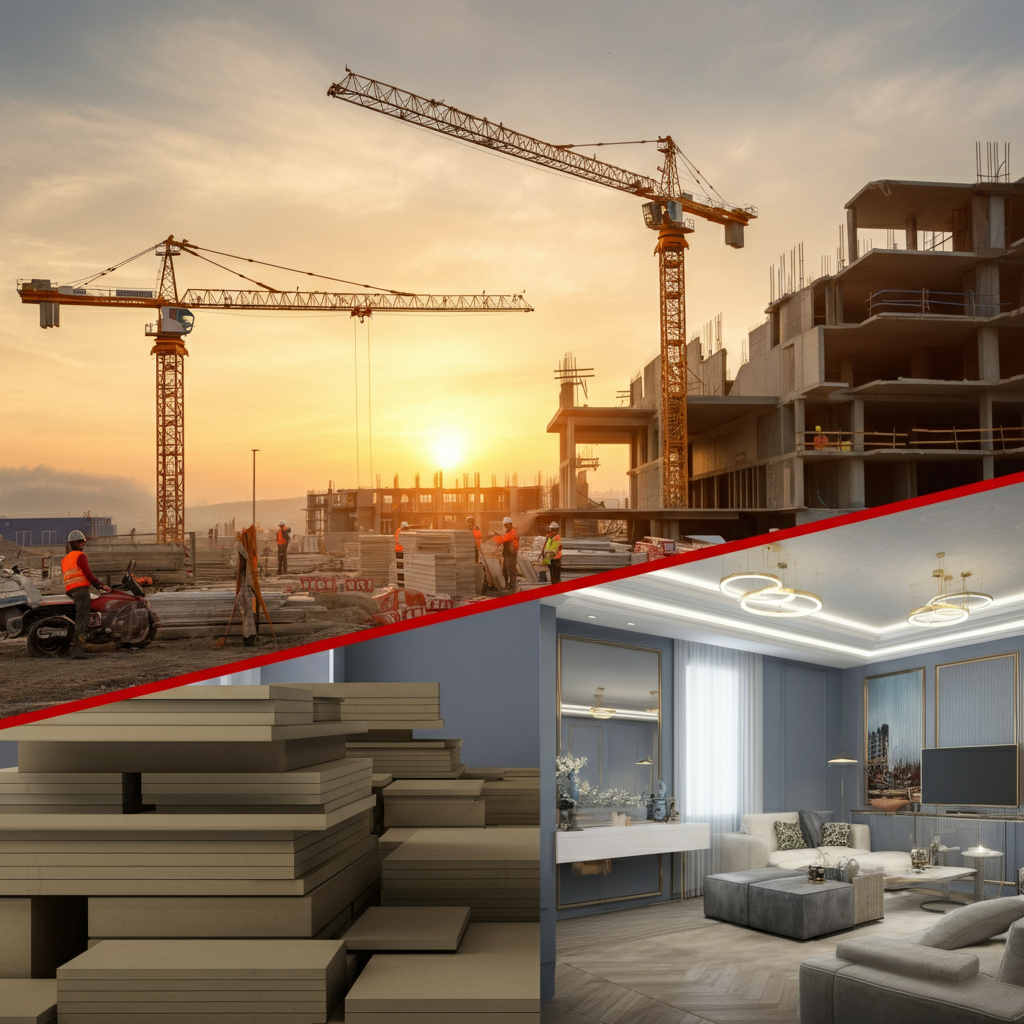
As construction costs rise, builders and homeowners are re-evaluating material strategies. Stretch ceilings are increasingly being used not as a workaround, but as a primary ceiling system that offers predictable pricing, faster installation, and design flexibility without heavy reliance on U.S.-based supply chains.
- Creative Freedom
With stretch ceilings, the design possibilities are nearly endless. From sleek, glossy finishes to integrating soft LED lighting, they allow for creative touches that drywall simply can’t achieve. - Quicker Installation
Stretch ceilings are fast and efficient to install—think hours instead of days. This means fewer labor costs and less downtime, which is great for both contractors and clients. - Built-In Benefits
Unlike drywall, stretch ceilings are moisture-resistant, making them ideal for humid areas like bathrooms or kitchens. They can also offer acoustic advantages, reducing noise by up to 50%. - Global Sourcing
Here’s the kicker: stretch ceiling materials aren’t tied to one country. Unlike drywall’s heavy dependence on the U.S., these materials can be sourced from multiple international suppliers, reducing vulnerability to tariffs or trade disputes.
In a cooling housing market, cost-effective visual upgrades are becoming even more important for sellers and investors.
https://spaceceiling.ca/blog/2025-calgary-housing-market-is-cooling/
Lessons from Past Tariffs
We’ve been here before, and there’s plenty to learn from how past tariffs impacted construction:
- U.S. Steel and Aluminum Tariffs (2018): Material prices spiked, project costs soared, and supply chains became unpredictable.
- U.S.-China Trade War (2018-2019): Fluctuating costs made it difficult to budget, and builders had to scramble to find alternative suppliers.
- Canada–U.S. Softwood Lumber Dispute: Tariffs on Canadian lumber pushed up timber costs, making housing less affordable and leading to uncertainty for builders.
These cases show that reliance on a single material or supplier can create headaches when trade policies shift.
What Can You Do?
While we can’t control trade policies, we can control how we adapt. Here are some steps to consider:
- Explore Alternatives: Materials like stretch ceilings aren’t just a backup—they’re an upgrade in many ways.
- Diversify Your Supply Chain: Sourcing from a variety of suppliers makes your business more resilient to trade disruptions.
- Stay Flexible: Update budgets and timelines to account for potential material cost changes.
Final Thoughts
Tariffs are a tough pill to swallow, but they don’t have to derail the construction industry. By thinking outside the box and adopting innovative materials like stretch ceilings, Canadian builders can turn challenges into opportunities.
Stretch ceilings aren’t just a solution to rising drywall costs—they’re a way to deliver better results, faster installations, and stunning designs.
If you’re ready to explore how stretch ceilings can transform your next project, let’s connect. Together, we can build a future that’s creative, efficient, and resilient.