
why modern interiors are moving beyond printed surfaces
The shift from decorative walls to material-driven interiors
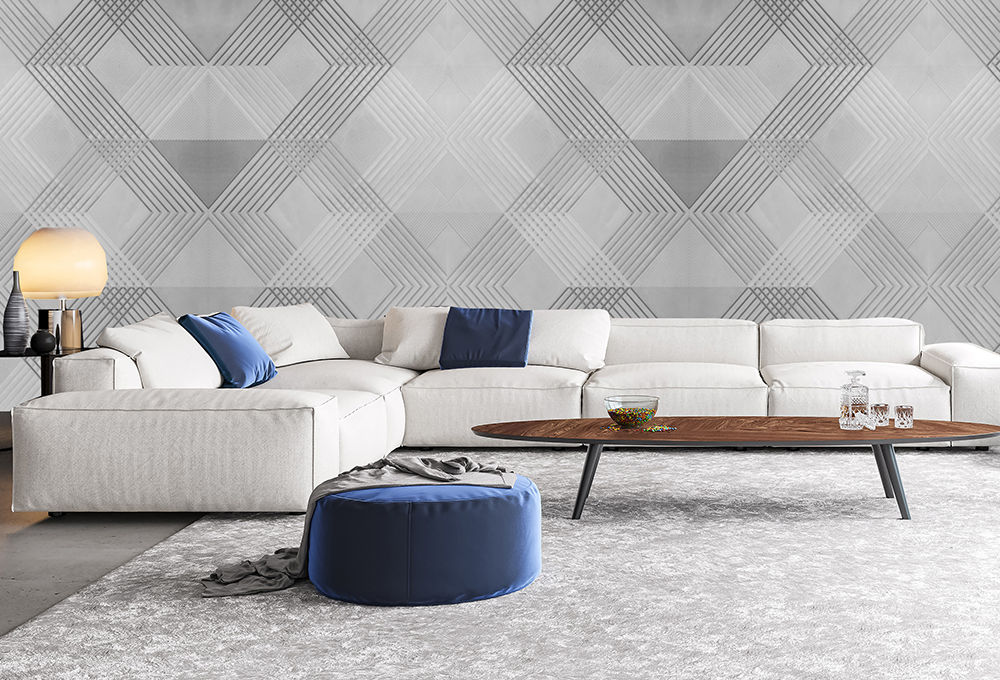
For years, wallpaper has been one of the easiest ways to change the look of a room. It brings pattern, color, and visual movement to otherwise plain surfaces, which is why it has remained popular in both residential and commercial interiors. But today, design expectations are changing. Clients, architects, and designers are paying closer attention not only to how a wall looks, but to how it performs, how it feels, and how well it holds its value over time.
That shift is important because wallpaper is still, at its core, a decorative finish. It can create visual interest, but it does not fundamentally improve the wall itself. In more demanding interiors, that difference becomes obvious very quickly.
Another limitation is material depth. Wallpaper can imitate texture, but it rarely delivers true surface richness. No matter how refined the pattern may be, it still reads as a printed layer rather than as an architectural material. That affects both the visual experience and the overall feeling of the room.
This is where many interiors lose warmth. Wallpaper often feels:
In lower-end applications that may be acceptable. In more refined interiors, however, it becomes a weakness. When a wall surface lacks softness, depth, and material presence, the room can feel more decorative than complete.
One of the more uncomfortable truths in the design world is that expensive wallpaper does not always provide expensive performance. A luxury label, custom pattern, or designer name may increase the price, but the product itself is still often based on paper or vinyl with a printed finish.
That creates a clear value gap. Clients may be paying for:
What they are often not getting is better acoustic quality, higher tactile value, or greater durability. In other words, the pricing may sound premium while the material logic remains basic.
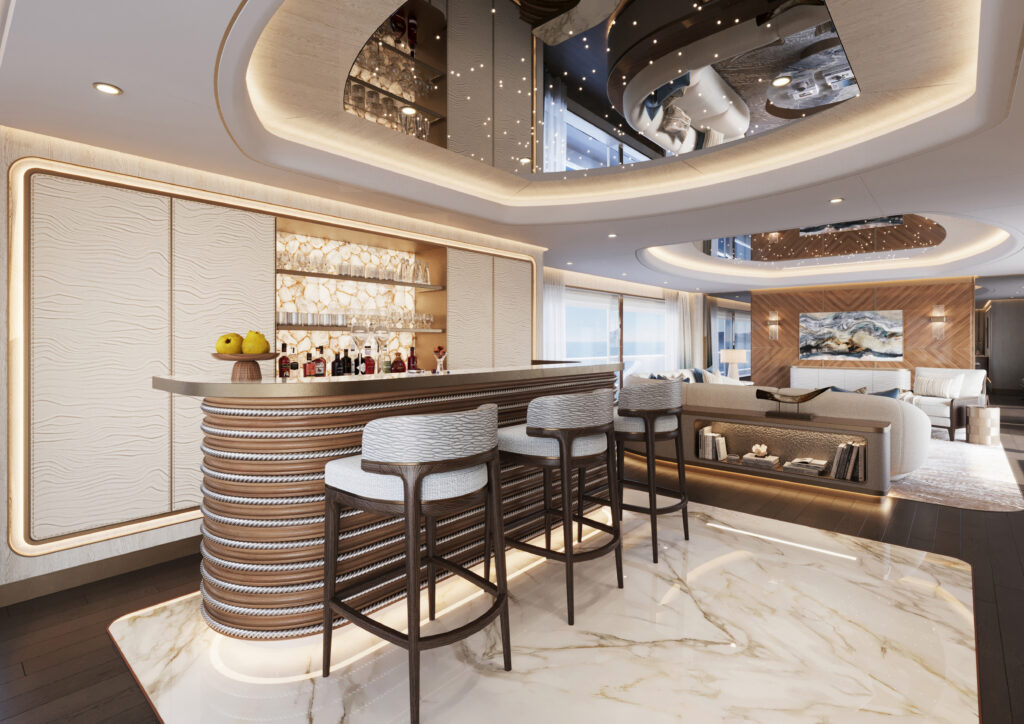
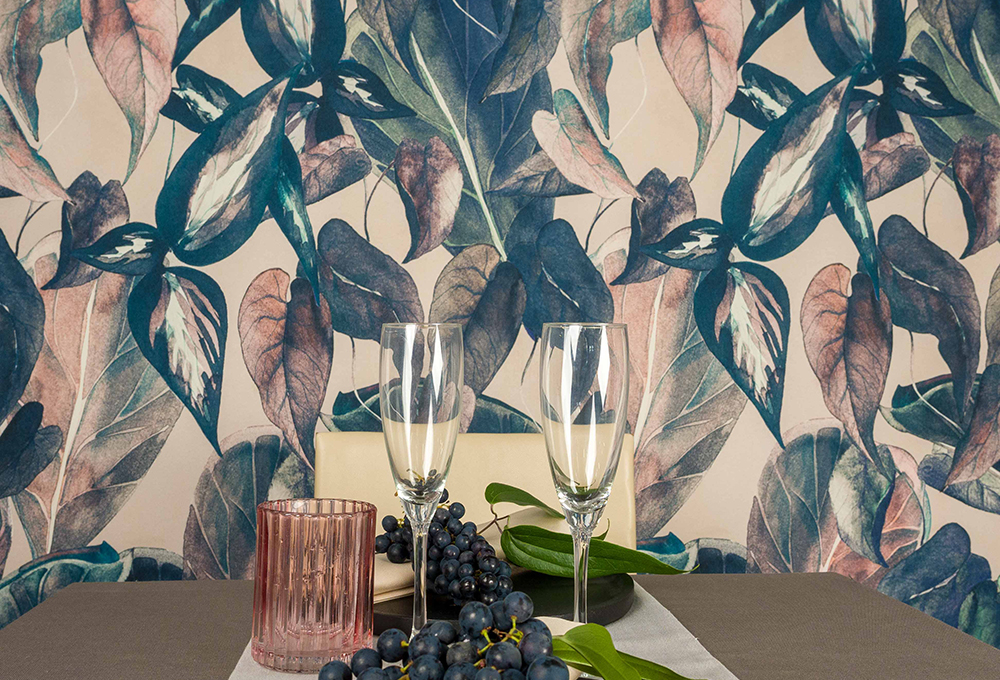
Kanvazz belongs to a different conversation entirely. Rather than treating the wall as something to decorate, it approaches the wall as an architectural surface that should contribute to the experience of the interior. That changes both the material quality and the long-term value of the finish.
Unlike wallpaper, Kanvazz is based on textile. It has real depth, real softness, and a much more refined interaction with light. Instead of reflecting light harshly off a printed face, the surface absorbs and diffuses it in a way that feels warmer and more balanced.
The difference is immediate. A Kanvazz wall does not just change the appearance of a room. It changes the atmosphere.
Another major advantage is the installation method. Kanvazz can be applied using adhesive, but it can also be integrated into profile systems similar to stretch ceiling installations. That matters because it gives far more control over the final finish and moves the product beyond the limitations of traditional wallpaper logic.
This system-based approach gives Kanvazz several practical advantages:
That is a major distinction. Wallpaper is usually only as good as the surface beneath it. Kanvazz can be installed in a way that makes the finish feel more intentional, more architectural, and more durable.
One of the strongest benefits of Acoustic textile wall systems is that they contribute more than appearance. Kanvazz can also support acoustic comfort when paired with the right backing, helping spaces feel quieter and more controlled. That is especially valuable in bedrooms, offices, lounges, hospitality projects, and other interiors where comfort matters just as much as aesthetics.
At the same time, the material brings a level of softness and luxury that wallpaper cannot replicate. It offers:
This is where the product starts to separate itself clearly. It is not only about what the wall looks like. It is about what the wall adds to the room.
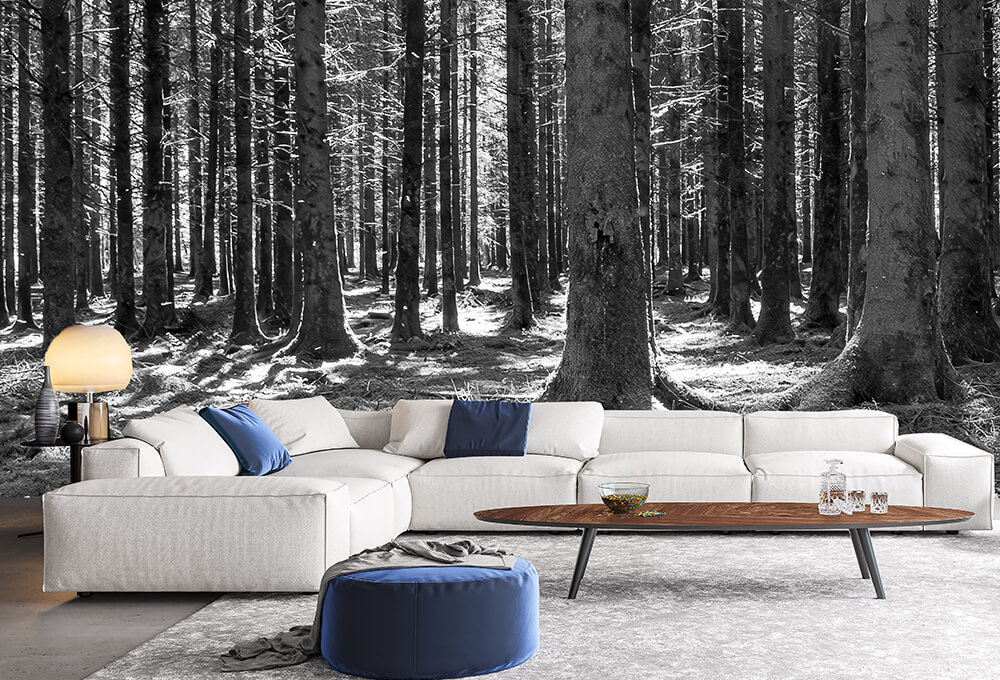
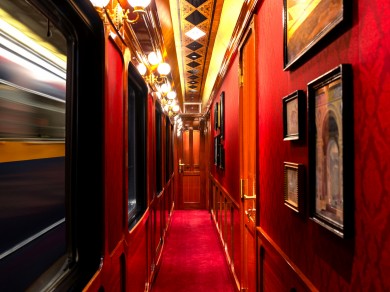
Durability is another area where the difference becomes more practical. Wallpaper can scratch, stain, fade, or begin to fail at the edges. In high-touch or high-traffic environments, these issues become visible quickly. Kanvazz, by contrast, is positioned as a more resilient finish suitable for demanding interiors.
That makes it better aligned with spaces such as:
These are not environments where decorative paper finishes are chosen casually. Materials in these settings need to feel luxurious, perform consistently, and maintain their appearance under real conditions.
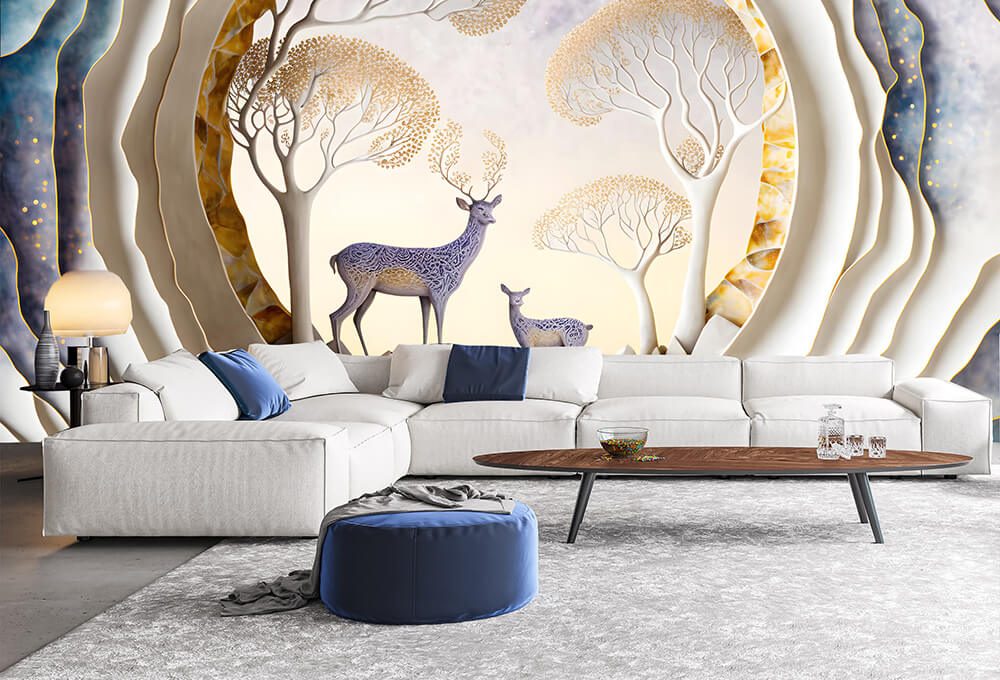
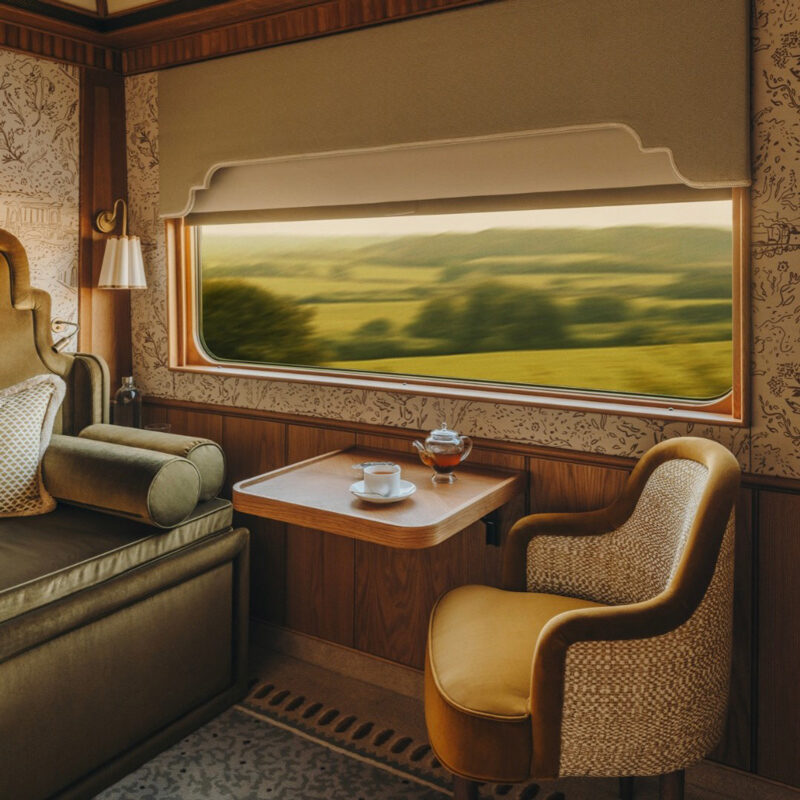
The real advantage of Kanvazz is that it combines qualities that are usually separated in conventional wall products. It is decorative, but it is not only decorative. It is tactile, but also functional. It is visually refined, yet capable of contributing to acoustics, comfort, and long-term finish quality.
That is why the comparison with wallpaper is useful, but only up to a point. Wallpaper belongs to the category of surface decoration. Kanvazz belongs to the category of wall interior material systems.
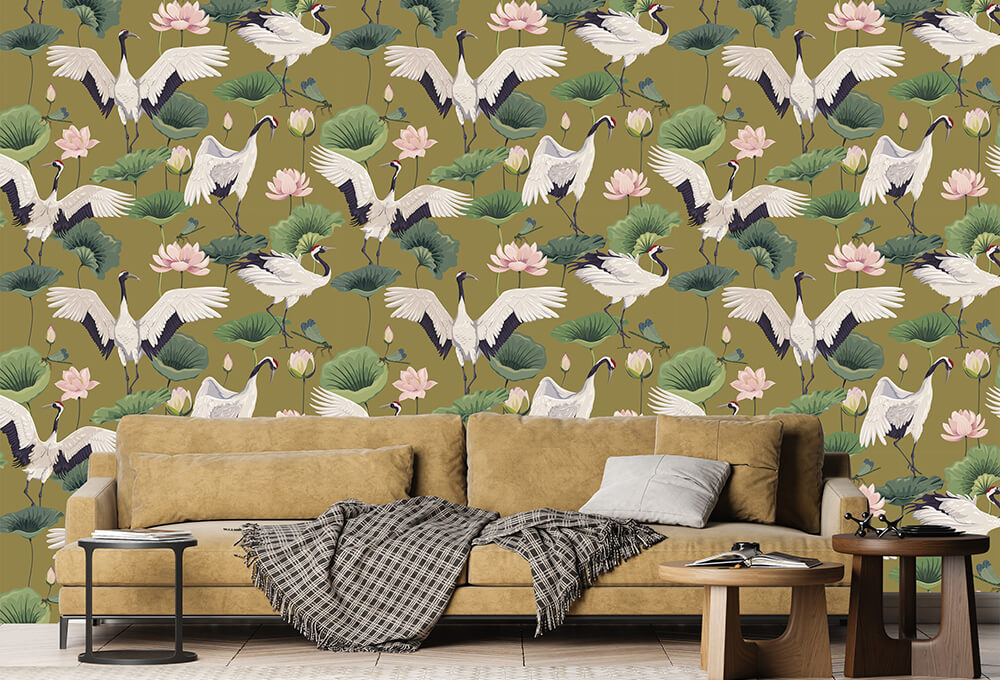
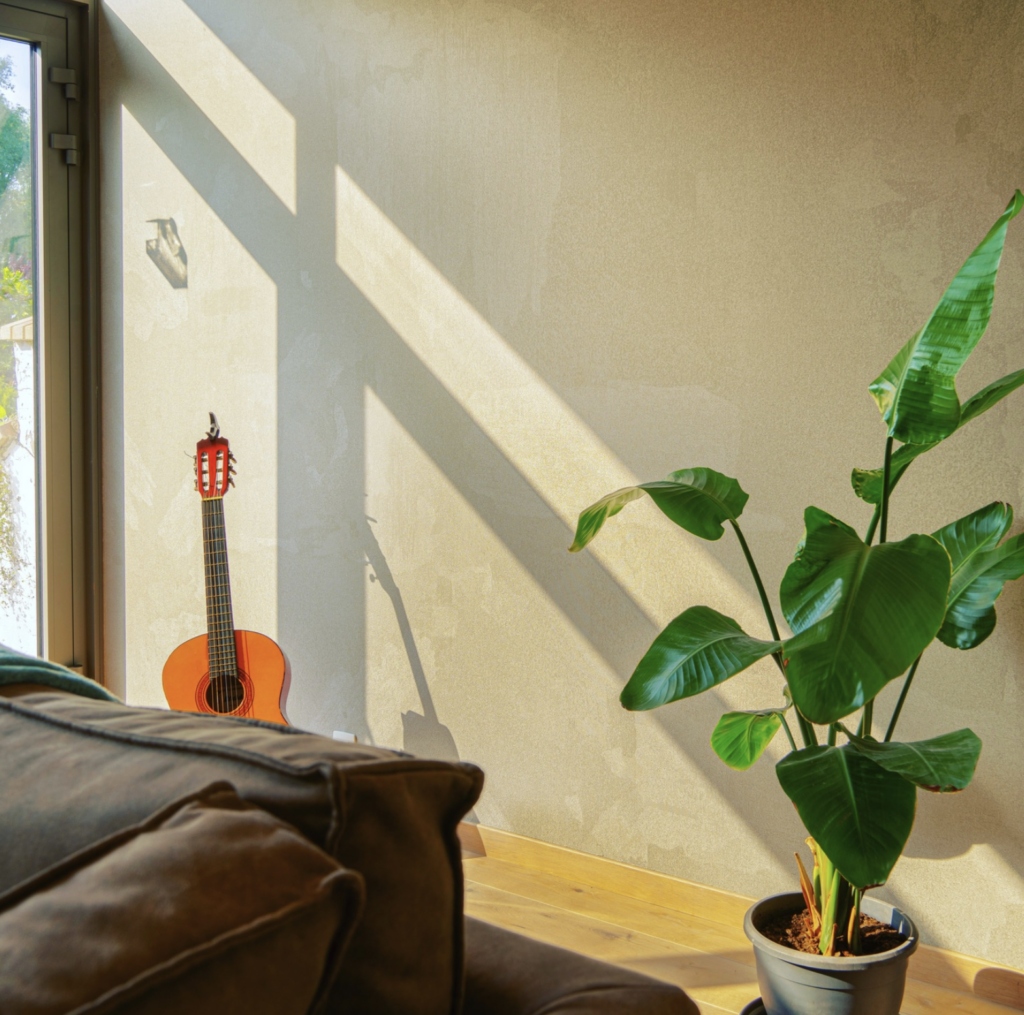
Beyond aesthetics and comfort, material performance plays a critical role in modern interiors — especially in commercial, hospitality, and high-end residential environments.
Kanvazz textile wall systems are not only designed for visual and tactile quality, but are also tested and certified under European standards.
According to official classification under NF EN 13501-1:2018, Kanvazz achieves a B-s2, d0 fire reaction rating, confirming controlled flame spread and low smoke production in case of fire.
This classification places the material within a category suitable for architectural applications where safety and compliance are required.
Unlike many wallpaper products — which are rarely specified with performance certifications at this level — textile systems like Kanvazz are engineered to meet both design and regulatory requirements.
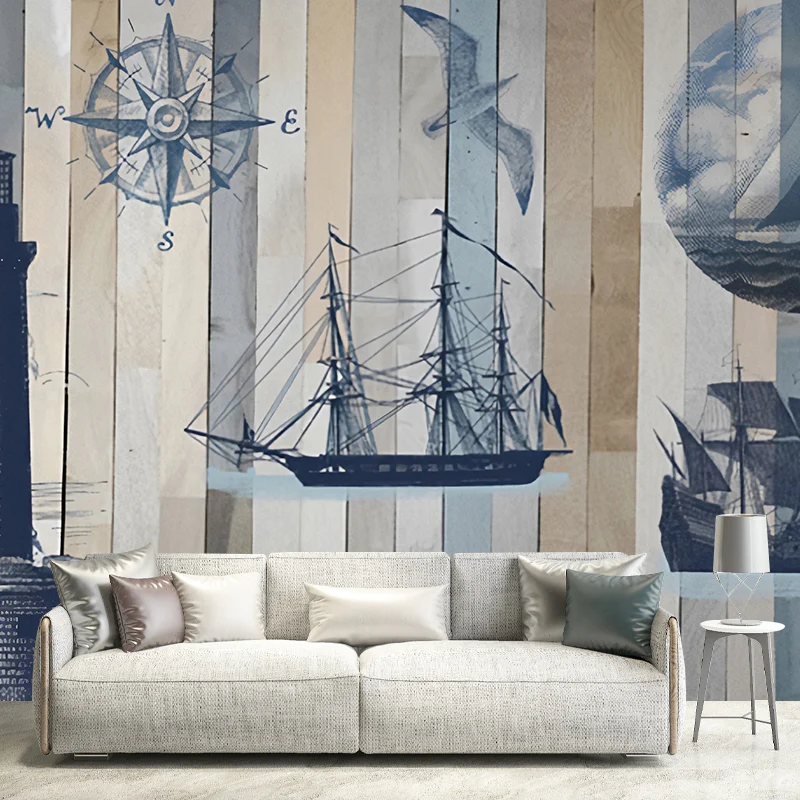
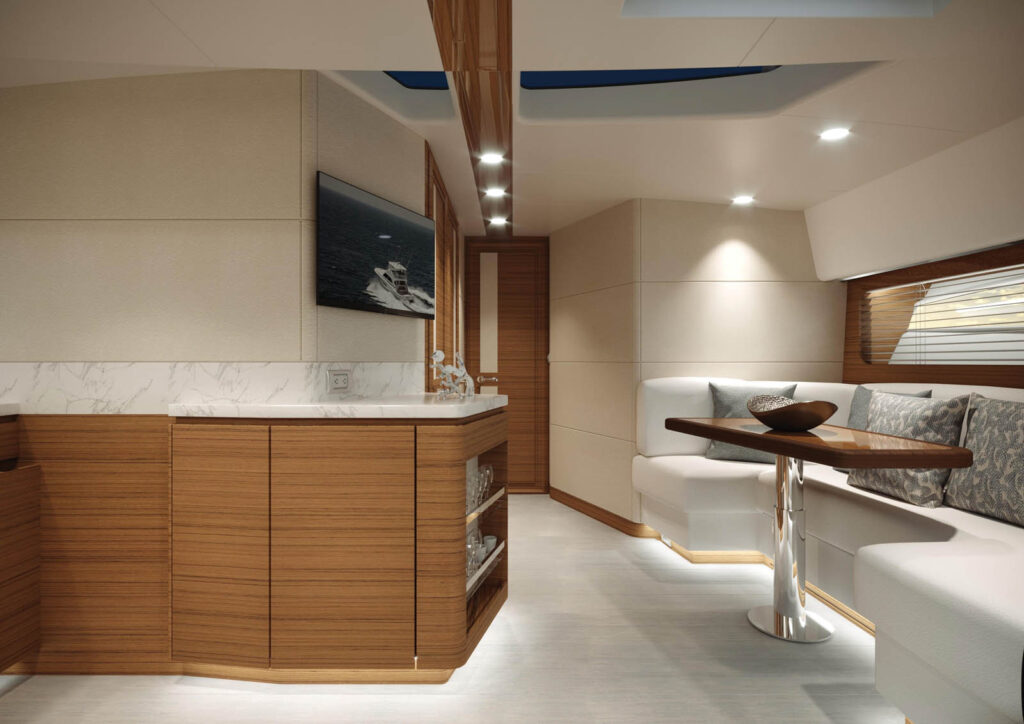
In addition to fire performance, Kanvazz has been tested for sound absorption in accordance with EN ISO 354 standards.
While often overlooked in decorative finishes, acoustic behavior significantly affects how a space is experienced.
This is particularly relevant in spaces such as living areas, offices, hospitality environments, and luxury interiors where both comfort and functionality are expected.
Traditional wallpaper is rarely evaluated beyond appearance. It is not typically selected based on:
Kanvazz, by contrast, operates within a different category — one where walls are expected to perform, not just visually decorate.
Wallpaper still has a place in the market, but its weaknesses become much more noticeable as project standards rise. It is vulnerable to seams, moisture, surface imperfections, and flat visual performance. Even at the premium end, it often remains an expensive version of a fundamentally limited product.
Kanvazz offers a different direction. With textile depth, acoustic potential, installation flexibility, luxury feel, and stronger durability, it responds to what modern interiors increasingly require: materials that do more than decorate.
When the goal is not just to cover a wall, but to elevate the entire experience of the space, the difference becomes clear.
Experience a product people will ask about.
Whether you share it… is up to you.
Wallpaper is typically a printed paper or vinyl surface applied with adhesive, while Kanvazz is a textile wall system designed to bring real material depth, softness, and architectural presence to a space. The difference is not only visual. Kanvazz also offers a more refined tactile feel, stronger long-term performance, and a more elevated finish for modern interiors.
Wallpaper depends heavily on adhesive bonding and wall stability. Over time, humidity, temperature changes, imperfect wall preparation, and natural movement in the surface can weaken that bond. This often leads to lifting seams, curled edges, and bubbling, especially in more demanding environments.
Yes. One of the biggest differences is how the wall feels in the room. Wallpaper can appear flat, cold, or artificial, while Kanvazz introduces softness, warmth, and real textile character. It absorbs light more naturally and helps the space feel calmer, richer, and more complete.
Kanvazz is not just a decorative finish. It also supports performance-based design. Depending on the system and backing used, it can contribute to improved acoustic comfort, reduce harsh sound reflection, and create a more controlled and comfortable interior environment.
No. Kanvazz can be installed using adhesive methods, but it can also be integrated into profile systems similar to stretch ceiling installations. This flexibility allows for more controlled application, cleaner detailing, and a more architectural result depending on the project requirements.
In higher-end applications, Kanvazz is positioned as a more durable wall solution than traditional wallpaper. Wallpaper can scratch, stain, fade, or begin to fail at the seams, while textile wall systems are chosen for environments where finish quality and long-term appearance matter more.
Yes, acoustic performance is one of the major advantages of textile wall systems. When paired with the appropriate backing or wall build-up, Kanvazz can help reduce echo and improve the overall sound comfort of a room. This makes it especially valuable in bedrooms, offices, lounges, hospitality spaces, and other environments where sound quality affects the experience.
Not in the same way. Wallpaper may provide pattern and visual effect, but it does not offer the same softness, textile depth, or acoustic contribution. Kanvazz belongs to a more advanced category of wall finish where design, comfort, and performance work together.
Yes. Kanvazz is well suited for luxury residential interiors, hospitality spaces, hotels, lounges, and other premium environments where material quality matters. It is also relevant for projects that require a refined finish with stronger comfort, softness, and architectural character than wallpaper can provide.
Kanvazz can be used in feature walls, bedrooms, living spaces, offices, studios, and hospitality interiors. It is also suitable for more specialized luxury environments such as hotels, yachts, private aviation, trains, and high-end travel interiors where both experience and performance are essential.
For projects focused on materiality, comfort, and long-term finish quality, Kanvazz offers a more advanced solution. Wallpaper remains a decorative layer, while Kanvazz supports a more integrated and architectural approach to wall design.
Kanvazz is supported by performance testing that goes beyond appearance. Depending on the specific product and application, it can include certified fire classification and acoustic testing, which makes it more relevant for architectural, commercial, and regulated environments where material performance matters.
Because the market is moving toward materials that do more than decorate. Designers today are looking for surfaces that bring tactile quality, acoustic comfort, visual depth, durability, and a more premium atmosphere. Textile wall systems like Kanvazz answer that shift far better than traditional wallpaper.

Our showroom is currently in a soft opening phase. We are offering limited private appointments for those interested in experiencing our ceiling and lighting systems and speaking directly with a professional.
By appoitments
Showroom – 5622 Burleigh Crescent SE #10 Calgary, AB T2H 1Z8
Dreams come to life — together with your vision and our expertise.