Skip to content

Antibacterial Building Materials: Science, Standards, and Why They Matter
In healthcare, wellness, and other hygiene-sensitive spaces, interior materials are evaluated for performance, cleanability, and durability—not just appearance. This guide explains how antibacterial building materials work, what standards are used to verify performance, and where hygienic ceilings and walls are typically specified.
What are antibacterial building materials?
Antibacterial building materials are interior surface systems designed to resist the growth of bacteria and mould. In construction and renovation, these systems are often applied to ceilings and walls where large surface areas must remain cleanable and stable under repeated maintenance routines.
Unlike conventional finishes (painted drywall, textured ceilings), antibacterial materials are typically engineered using treated technical fabrics, membranes, or non-porous surfaces intended to support hygienic performance over time.
Why surface hygiene matters in interiors
Standard interior finishes may trap moisture, collect contaminants, or deteriorate under frequent cleaning. This becomes a problem in spaces where cleaning and infection-control protocols are routine.
- Frequent wipe-down and disinfection requirements
- High humidity and condensation exposure
- High traffic, high touch, or clinical environments
- Long-term maintenance cost and surface durability
Hygienic materials help reduce the conditions that allow microbes to establish and make cleaning outcomes more consistent—especially when paired with proper protocols.
How antibacterial technology works
1) Surface treatment
Some systems integrate antimicrobial protection into the surface layer to inhibit microbial growth. The goal is durable performance under repeated cleaning, not a short-term coating effect.
2) Material resistance
Other systems use non-porous or moisture-resistant materials that reduce the conditions required for bacteria or mould to thrive. This supports cleanability and long-term appearance.
Standards commonly used to verify performance
High-quality hygienic systems are evaluated using recognized frameworks. The exact standard set depends on the project environment, local code, and performance needs.
Fire safety
Interior ceiling and wall materials may be evaluated under EN classifications or North American surface-burning frameworks (UL / CAN-ULC), depending on the project.
Indoor air quality (VOC emissions)
Low-emission materials are important in healthcare and high-occupancy spaces. VOC emissions are commonly assessed using ISO-method families and regional rating frameworks.
Microbial resistance (bacteria and mould)
Resistance to microbial growth is typically validated through laboratory methods such as ISO 846, which evaluates how materials perform when exposed to microorganisms under controlled conditions.
Acoustic performance (optional)
In many environments (clinics, corridors, offices), acoustic comfort matters. Hygienic ceiling systems can be combined with compatible acoustic backings and evaluated using recognized acoustic testing frameworks, with results often expressed as αw or NRC values.
Antibacterial systems compared to conventional finishes
| Feature | Antibacterial ceiling and wall systems | Conventional drywall and paint |
|---|---|---|
| Surface hygiene | Engineered resistance to microbial growth | Porous; performance depends on finish quality |
| Cleaning compatibility | Designed for repeated maintenance protocols | May degrade over time with frequent cleaning |
| Moisture resistance | Non-porous options suitable for humid areas | More susceptible to staining and mould risk |
| Indoor air quality | Low-emission options commonly available | Depends on compounds and coatings used |
| Longevity | Designed for long-term performance | Often requires refinishing or repair |
Where these materials are commonly used
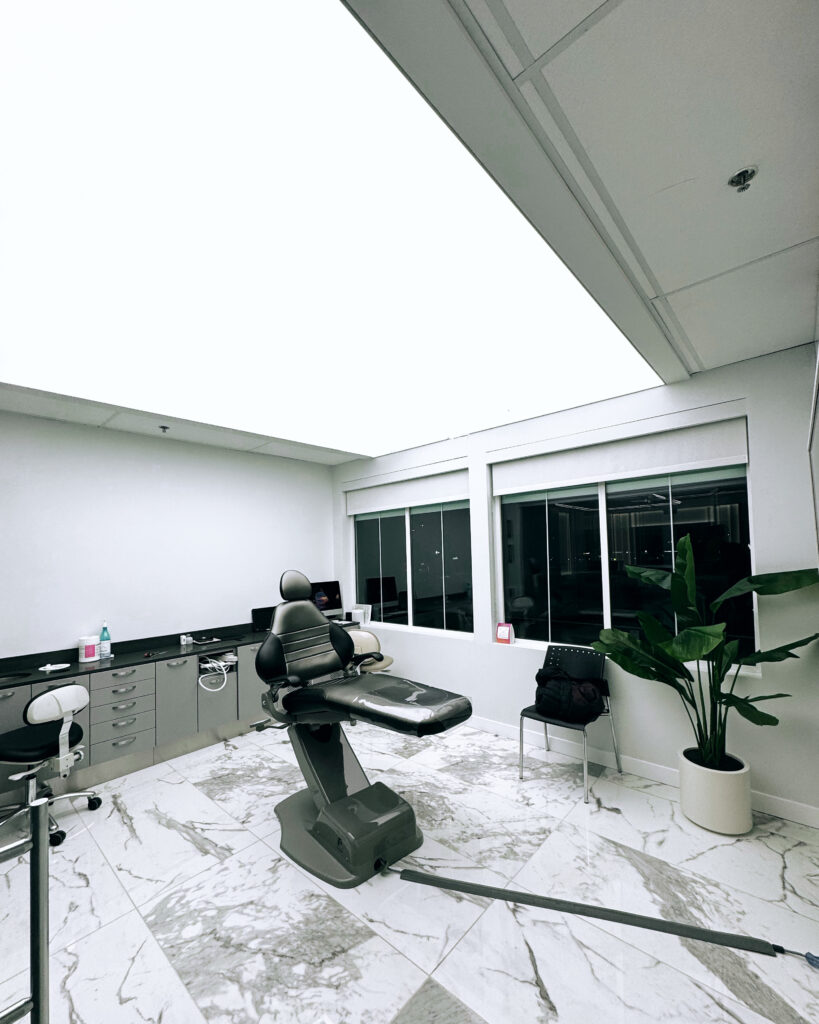
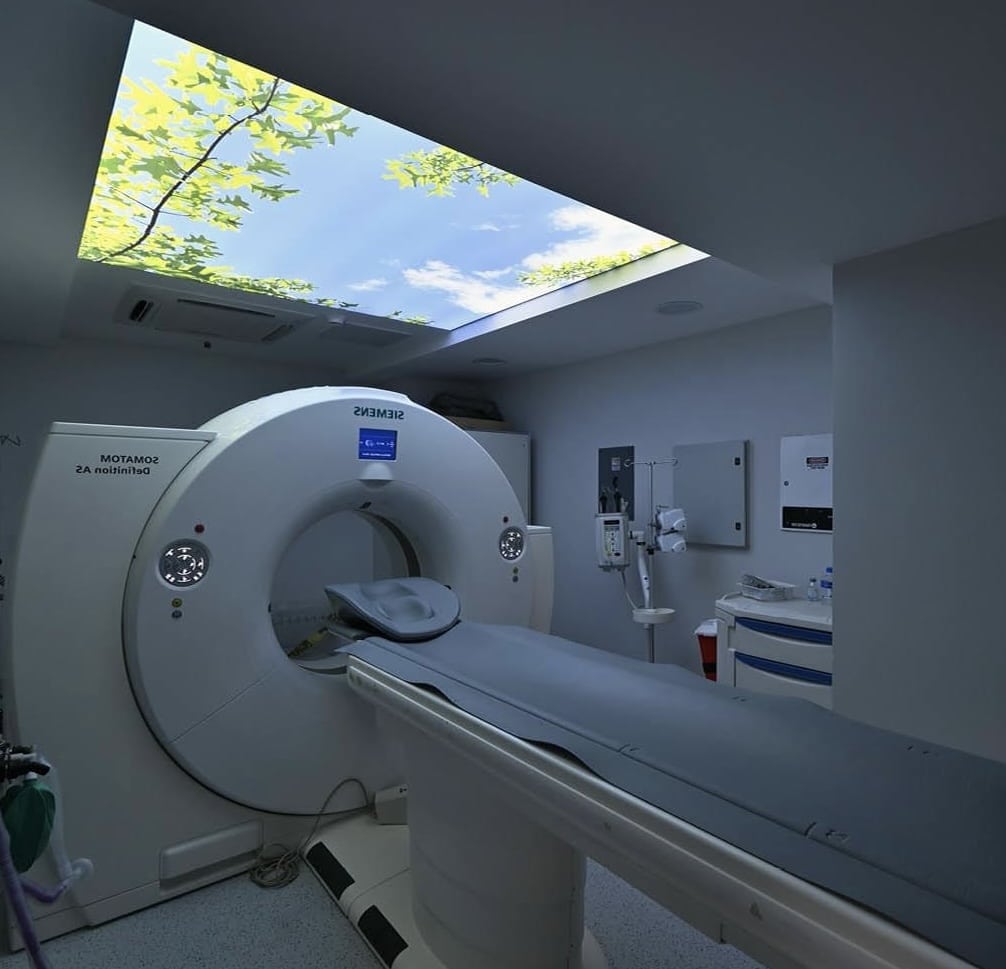
- Healthcare facilities, clinics, and treatment rooms
- Dental and medical offices
- Commercial kitchens and food areas
- Gyms, wellness spaces, washrooms, and spas
- Public buildings and high-traffic interiors
- Homes with mould concerns or health-focused priorities
Choosing the right system
The correct hygienic system depends on how the space is used and maintained. Selection should consider cleaning protocols, moisture exposure, code requirements, acoustic needs, and the availability of supporting documentation for the chosen configuration.
Antibacterial vs antimicrobial
Antibacterial typically refers to resistance against bacterial growth, while antimicrobial can refer to a broader range of microorganisms. In practice, what matters most is the specific performance claims and test documentation that match the environment.
Do antibacterial materials replace cleaning?
No. Antibacterial surfaces support hygiene by improving cleanability and reducing microbial growth conditions, but routine cleaning remains essential. The practical advantage is durability and consistency under repeated maintenance cycles.
For numeric performance ranges, technical properties, and specification-style details, visit the service page:
Technical Properties
A specifier-style overview of the performance categories typically used to evaluate antibacterial ceiling and wall systems.
Fire performance
Ceiling and wall systems can be evaluated under recognized fire-classification standards. Exact results depend on the selected components and project requirements.
- Evaluation may reference EN 13501-1 (Euroclass) or North American surface-burning classifications (UL / CAN-ULC), depending on project scope.
- We select systems based on the intended environment and compliance needs.
Implementation tip: If you have a product data sheet for a specific system, add the exact classification next to the relevant system name only.
Indoor air quality (low emissions)
Hygienic interiors often require low-emission materials to support healthier indoor environments, particularly in healthcare, education, and high-occupancy spaces.
- Look for VOC emission testing or recognized indoor air labels, where applicable.
- Low-VOC performance supports comfort and long-term occupancy requirements.
Hygienic (antibacterial) performance
Antibacterial performance is typically validated through laboratory testing that measures resistance to bacterial and mould growth under controlled conditions.
- We prioritize systems with clear hygienic claims and realistic maintenance guidance.
- Performance should be durable under routine cleaning cycles, not a short-term coating effect.
Cleaning and maintenance compatibility
In regulated or high-use environments, the surface must withstand regular cleaning protocols. System selection should align with the facility’s cleaning agents and frequency.
- We confirm maintenance expectations during specification and site review.
- Where required, systems can be selected to support wipe-down disinfection routines.
Acoustic contribution (optional)
When paired with compatible acoustic backings or absorbers, hygienic ceiling systems can contribute to sound comfort in corridors, offices, clinics, and public interiors.
Keep this optional on the service page unless the project requires acoustic performance. If acoustic is a core offering, create a dedicated acoustic page.
Sustainability (EPD / lifecycle)
Many modern ceiling and wall systems provide lifecycle documentation such as Environmental Product Declarations (EPDs). Carbon footprint is often reported per m² and varies by system configuration.
If you don’t have EPDs for your selected systems, keep this section general. Do not publish numeric CO₂ values unless they are from your exact product documentation.
Performance at a Glance
Short, numeric-style proof points (without copying manufacturer tables). Exact results depend on the selected system configuration.
Fire classification (project-specific)
Specified using recognized standards (e.g., EN / UL / CAN-ULC categories) based on building type and requirements.
Verified by test reportsLow emissions (VOC)
Systems can be selected with low-emission materials suitable for health-sensitive interiors and high occupancy environments.
Indoor air focusAntibacterial surface performance
Validated through hygienic performance testing designed to resist bacterial and mould growth on interior surfaces.
Hygienic performanceCleaning & disinfection compatibility
Selected to align with facility maintenance protocols and frequency of wipe-down cleaning.
Maintenance-readyIf you want to publish exact numeric classifications (e.g., a specific class rating or EPD values), do it only for the exact system you are installing and only when you have the supporting manufacturer documentation.
FAQ
Answers that reference testing and standards safely (with built-in FAQ schema).
How is antibacterial performance verified for ceiling and wall systems?
Antibacterial performance is typically supported by laboratory testing that evaluates resistance to bacterial and mould growth on the material surface. Exact methods vary by manufacturer and system, so specifications should rely on documented test reports for the selected product configuration.
Can you provide fire and VOC classifications for these systems?
Fire and emission classifications are system-specific and depend on the selected components, backing materials, and intended use. Where required, we specify solutions using recognized standards (e.g., UL / CAN-ULC categories or EN classifications) and select low-emission materials based on available documentation.
Do antibacterial ceilings replace normal cleaning protocols?
No. Antibacterial surfaces support hygiene by resisting microbial growth and improving cleanability, but routine cleaning remains necessary. The benefit is more consistent maintenance outcomes and better surface durability under repeat cleaning cycles.
Are antibacterial ceiling and wall systems suitable for residential spaces?
Yes, especially in areas with humidity, previous mould concerns, allergy sensitivities, or where easy cleaning and durable finishes are important. Selection should be based on the room use and maintenance expectations.
Can hygienic ceiling systems also support acoustic performance?
Some systems can contribute to sound comfort when paired with compatible acoustic backing or absorbers. Acoustic results depend on configuration, room conditions, and performance targets, so the system should be specified accordingly.
More informaation about product https://www.ecophon.com/en/products/stretch-fabrics/clipso/clipso-so-acoustic-antibacterial/
Light Solution – Antibacterial product
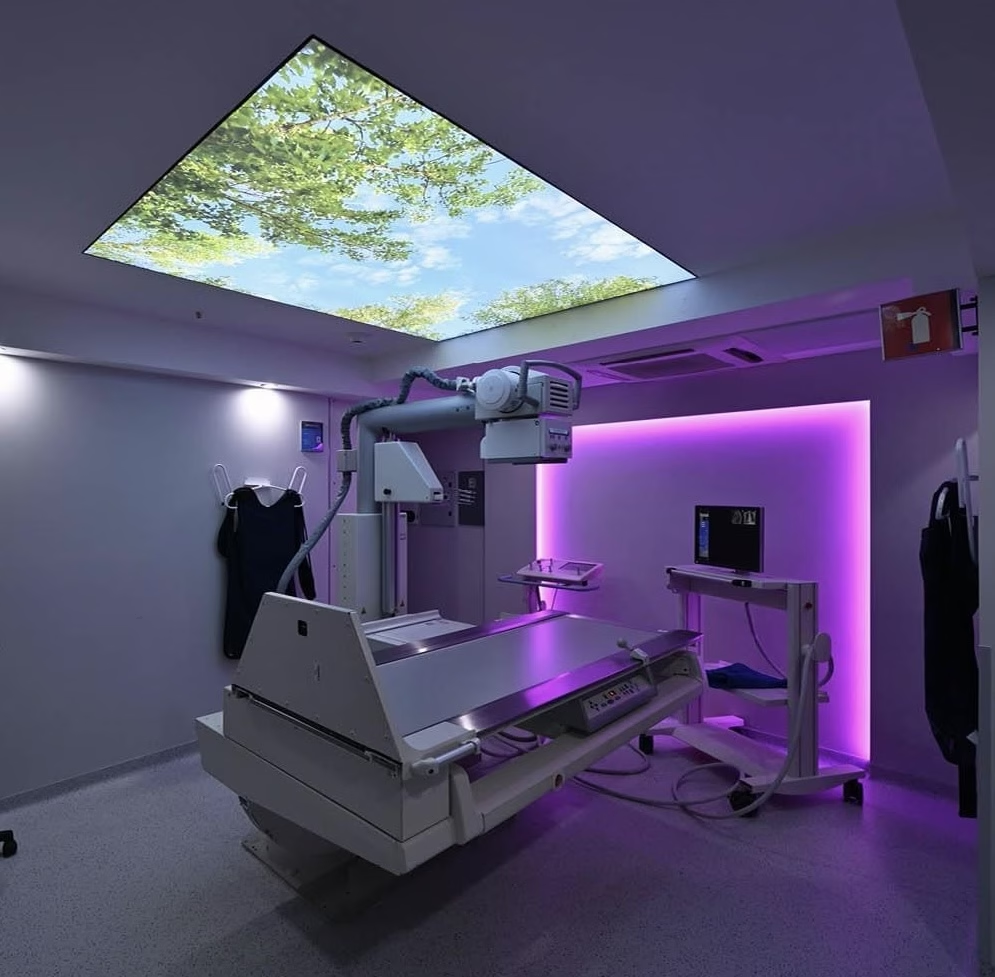
Rockieview Hospital Project
What qualifies your ceiling and wall installations as “antibacterial”?
Understanding the specific technology—whether it’s embedded antimicrobial agents in the membrane or applied coatings—clarifies how bacterial growth is prevented.
Our ceilings and walls incorporate antibacterial properties tested to ISO 22196 standards, ensuring they inhibit bacterial growth. They are also easy to clean, non-porous, and moisture-resistant, supporting infection prevention protocols in hospitals and clinics.
Which bacterial strains have you validated these products against?
Have they been tested on common healthcare-associated pathogens (e.g., E. coli, MRSA) or standard environmental bacteria?
How do the antibacterial properties endure over time and through routine cleaning?
Insights into durability and whether cleaning agents degrade the efficacy are critical.
Are they compatible with high-level disinfection methods like fogging or frequent spray cleaning?
Ideal for sensitive environments such as hospitals and long-term care.
Can you provide independent lab data or third-party certification to support bacterial reduction claims?
Test reports (e.g., ASTM, ISO standards) enhance credibility.
Are these products compliant with Alberta’s healthcare facility standards?
Yes. Our materials align with CSA Z8000 (Canadian Health Care Facilities) for interior finishes and CAN/ULC-S102for fire safety. During installation or renovation, we follow CSA Z317.13 guidelines to maintain infection control standards onsite.
Do antibacterial properties diminish over time or frequent cleaning?
No. Our antibacterial membranes are engineered to maintain efficacy throughout their lifespan, even with frequent cleaning using standard disinfectants and fogging protocols required by Alberta Health Services Environmental Cleaning Standards.
Can your ceilings and walls withstand fogging and high-level disinfection methods?
Absolutely. Our systems are designed to remain durable and effective under terminal cleaning, fogging, and aggressive disinfection, common in ICUs, operating rooms, and isolation areas.
Are these materials safe for vulnerable patients, including pediatric and immunocompromised occupants?
Yes. Our antibacterial ceilings and walls are low VOC, phthalate-free, and biocompatible, making them safe for sensitive environments such as NICUs, oncology units, and long-term care facilities.
How do these products support Infection Control Risk Assessments (ICRA)?
They minimize dust and contamination risk during installation and provide long-term hygienic surfaces, meeting ICRA planning standards under CSA Z317.13 for renovations or maintenance projects in active healthcare settings.
Understanding the specific technology—whether it’s embedded antimicrobial agents in the membrane or applied coatings—clarifies how bacterial growth is prevented.
Our ceilings and walls incorporate antibacterial properties tested to ISO 22196 standards, ensuring they inhibit bacterial growth. They are also easy to clean, non-porous, and moisture-resistant, supporting infection prevention protocols in hospitals and clinics.
Have they been tested on common healthcare-associated pathogens (e.g., E. coli, MRSA) or standard environmental bacteria?
Insights into durability and whether cleaning agents degrade the efficacy are critical.
Ideal for sensitive environments such as hospitals and long-term care.
Test reports (e.g., ASTM, ISO standards) enhance credibility.
Yes. Our materials align with CSA Z8000 (Canadian Health Care Facilities) for interior finishes and CAN/ULC-S102for fire safety. During installation or renovation, we follow CSA Z317.13 guidelines to maintain infection control standards onsite.
No. Our antibacterial membranes are engineered to maintain efficacy throughout their lifespan, even with frequent cleaning using standard disinfectants and fogging protocols required by Alberta Health Services Environmental Cleaning Standards.
Absolutely. Our systems are designed to remain durable and effective under terminal cleaning, fogging, and aggressive disinfection, common in ICUs, operating rooms, and isolation areas.
Yes. Our antibacterial ceilings and walls are low VOC, phthalate-free, and biocompatible, making them safe for sensitive environments such as NICUs, oncology units, and long-term care facilities.
They minimize dust and contamination risk during installation and provide long-term hygienic surfaces, meeting ICRA planning standards under CSA Z317.13 for renovations or maintenance projects in active healthcare settings.