
On April 29, 2025, Trump’s administration adjusted tariff rules to reduce tariff “stacking” on some imports while broader U.S.–Canada tariff pressure and material trade uncertainty remain a major concern for construction-related industries. Canada’s building sector is still vulnerable to cross-border material pricing, especially where supply chains rely on U.S. manufacturing or tariff-sensitive materials.
What Trump Announced and Why It Matters to Canada
Trump’s recent tariff adjustments focus on reducing overlapping import duties, but broader North American trade tensions still create uncertainty for builders using imported or tariff-sensitive materials.
How Tariff Pressure Can Affect Drywall, Lumber, and Renovation Budgets
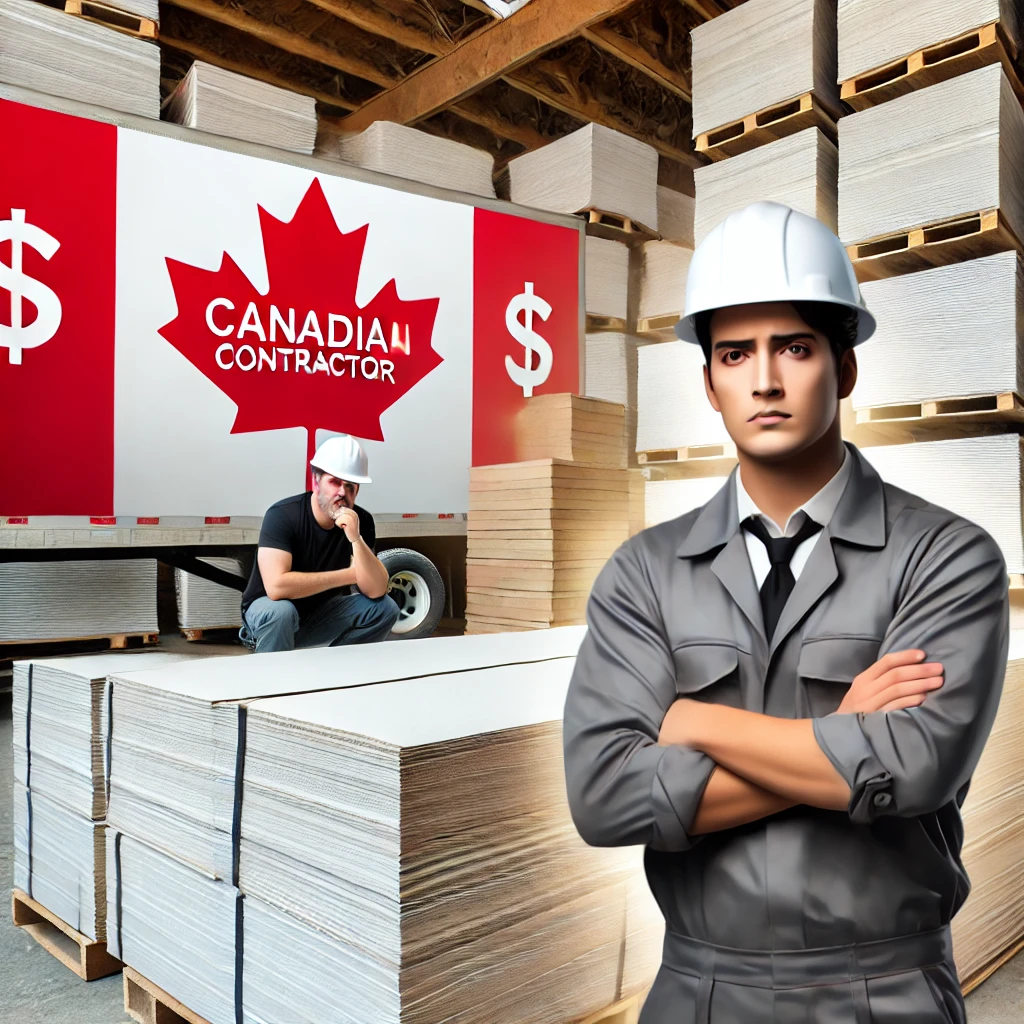
Material volatility is creating new pressure across Canadian construction, and traditional drywall systems may be one of the first areas where builders feel it. When tariffs, trade policy shifts, fuel costs, or supply chain disruptions affect imported materials, drywall pricing can become increasingly unpredictable. For contractors and homeowners, that means quotes that once felt stable may now require frequent revisions as material costs fluctuate between planning and purchase.
Contractor quote instability becomes a serious challenge when builders are forced to estimate projects in uncertain markets. A renovation or basement development priced today may look very different if drywall costs rise before installation begins. This can create difficult conversations with clients, tighter profit margins for contractors, or mid-project budget adjustments that place added strain on both timelines and trust.
Delays are another major concern. When supply chains tighten or distributors experience shortages, even standard drywall projects can face scheduling setbacks. For builders managing multiple trades, one delayed material can create a domino effect—pushing back taping, mudding, sanding, painting, and final completion dates. In a market where speed and predictability matter, these disruptions can directly affect profitability.
Increased finishing costs add even more pressure beyond the drywall sheets themselves. Traditional drywall systems often require multiple labor-intensive stages including boarding, mudding, sanding, priming, painting, and cleanup. As labor rates rise and material uncertainty continues, the true cost of a finished ceiling or wall may be significantly higher than many property owners initially expect.
For Canadian homeowners, renovators, and developers, this environment is pushing many to re-evaluate not just material pricing—but the overall efficiency, predictability, and resilience of the systems they choose.
What’s at Stake for Drywall Costs?
If the proposed 25% tariff goes through, drywall—much of which is imported from the U.S.—will become significantly more expensive. Here’s what that could mean for the industry:
- Higher Project Costs: Contractors may have to raise their prices to account for the increased cost of drywall, making renovations and new builds pricier for clients.
- Budget Overruns: With such sudden changes, businesses might find themselves scrambling to adjust budgets mid-project, leading to delays.
- Supply Chain Challenges: Relying so heavily on U.S. drywall imports could leave Canadian builders vulnerable to more than just price increases—think availability issues and longer lead times.
We’ve seen this play out before. Remember the U.S. steel and aluminum tariffs back in 2018? Prices soared, supply chains became chaotic, and project planning turned into a nightmare.
Why Stretch Ceilings Could Be a Game-Changer
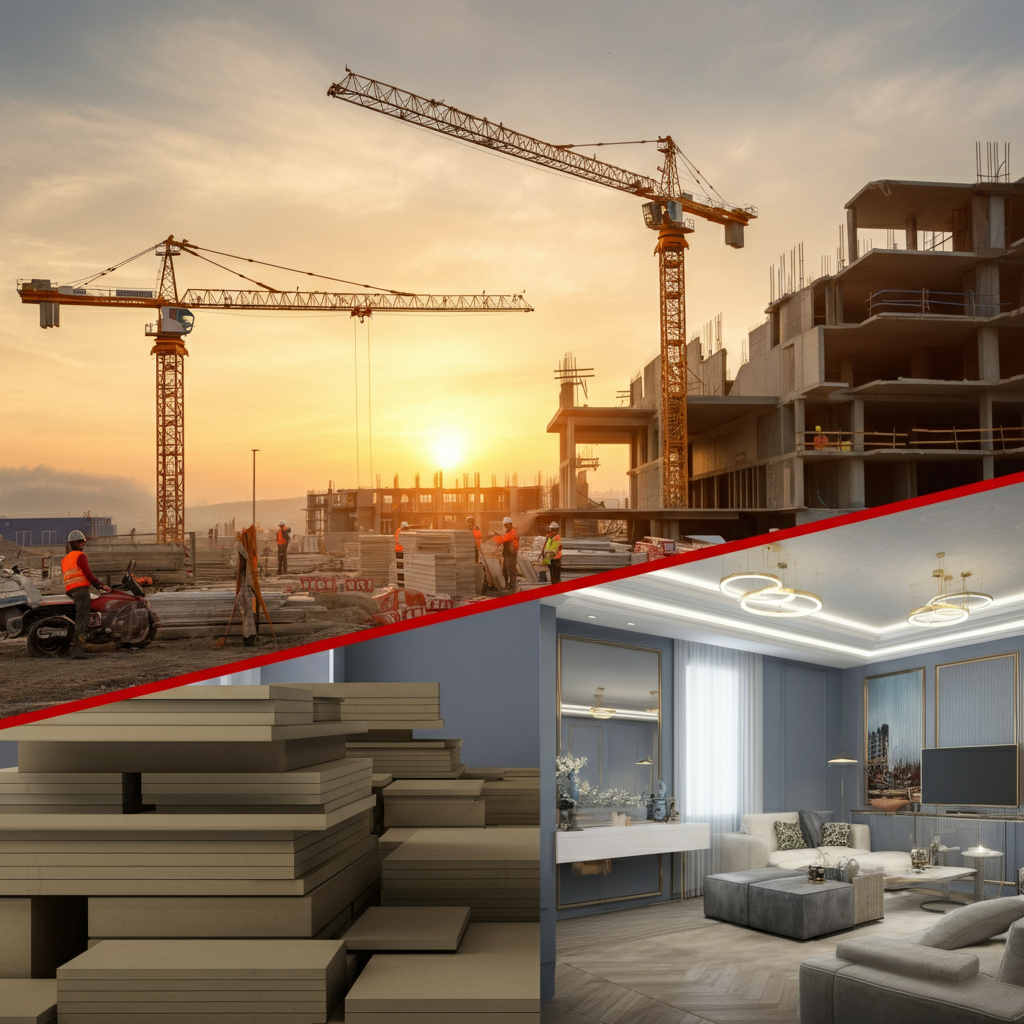
As construction costs rise, builders and homeowners are re-evaluating material strategies. Stretch ceilings are increasingly being used not as a workaround, but as a primary ceiling system that offers predictable pricing, faster installation, and design flexibility without heavy reliance on U.S.-based supply chains.
- Creative Freedom
With stretch ceilings, the design possibilities are nearly endless. From sleek, glossy finishes to integrating soft LED lighting, they allow for creative touches that drywall simply can’t achieve. - Quicker Installation
Stretch ceilings are fast and efficient to install—think hours instead of days. This means fewer labor costs and less downtime, which is great for both contractors and clients. - Built-In Benefits
Unlike drywall, stretch ceilings are moisture-resistant, making them ideal for humid areas like bathrooms or kitchens. They can also offer acoustic advantages, reducing noise by up to 50%. - Global Sourcing
Here’s the kicker: stretch ceiling materials aren’t tied to one country. Unlike drywall’s heavy dependence on the U.S., these materials can be sourced from multiple international suppliers, reducing vulnerability to tariffs or trade disputes.
In a cooling housing market, cost-effective visual upgrades are becoming even more important for sellers and investors.
https://spaceceiling.ca/blog/2025-calgary-housing-market-is-cooling/
Lessons from Past Tariffs
We’ve been here before, and there’s plenty to learn from how past tariffs impacted construction:
- U.S. Steel and Aluminum Tariffs (2018): Material prices spiked, project costs soared, and supply chains became unpredictable.
- U.S.-China Trade War (2018-2019): Fluctuating costs made it difficult to budget, and builders had to scramble to find alternative suppliers.
- Canada–U.S. Softwood Lumber Dispute: Tariffs on Canadian lumber pushed up timber costs, making housing less affordable and leading to uncertainty for builders.
These cases show that reliance on a single material or supplier can create headaches when trade policies shift.
What Can You Do?
While we can’t control trade policies, we can control how we adapt. Here are some steps to consider:
- Explore Alternatives: Materials like stretch ceilings aren’t just a backup—they’re an upgrade in many ways.
- Diversify Your Supply Chain: Sourcing from a variety of suppliers makes your business more resilient to trade disruptions.
- Stay Flexible: Update budgets and timelines to account for potential material cost changes.
Final Thoughts
Tariffs are a tough pill to swallow, but they don’t have to derail the construction industry. By thinking outside the box and adopting innovative materials like stretch ceilings, Canadian builders can turn challenges into opportunities.
Stretch ceilings aren’t just a solution to rising drywall costs—they’re a way to deliver better results, faster installations, and stunning designs.
If you’re ready to explore how stretch ceilings can transform your next project, let’s connect. Together, we can build a future that’s creative, efficient, and resilient.
What Trump’s Latest Tariff Adjustments Could Mean for Construction Costs
Trump’s latest tariff adjustments may reduce some pressure on steel and aluminum by limiting overlapping import duties, offering partial relief for sectors connected to metal supply chains. For parts of the construction industry, this could help stabilize pricing on certain structural or manufacturing-related materials. However, broader material volatility across North American construction remains a real concern—especially for projects that depend on cross-border manufacturing, imported finishing systems, transportation costs, fuel pricing, and supply chain consistency.
While easing steel and aluminum pressure may benefit some construction categories, it does not eliminate the wider unpredictability builders and renovators continue to face. Material pricing uncertainty still affects finishing products, logistics, and imported systems, meaning project costs can remain difficult to forecast. Contractors may still experience quote instability as broader economic shifts influence supplier pricing, and renovation budgets remain sensitive to changing market conditions far beyond a single tariff category.
For Canadian homeowners, developers, and builders, this means smarter planning is still essential. Even when one area of material pressure softens, broader supply chain and budgeting uncertainty can continue to shape renovation strategies.